
Fraud doesn’t wait until a family is ready
Larigent builds courses and materials that teach families and the professionals around them what to watch for, what to do the moment something feels wrong, and how to recover — before a crisis, not just after one.
Targeting
Before a scammer ever makes contact, a target has already been chosen — for the gap around them, not for gullibility.
Contact & Trust
A believable reason to talk, then the instruction that matters most: don't tell anyone.
Extraction
The point of maximum financial risk. Money moves under pressure, not persuasion.
Recovery & Re-Fortification
The first hours matter more than people expect — and staying protected after takes upkeep, not a single fix. See the full six-phase model.
Capacity Building: What is it? How Will we use it?
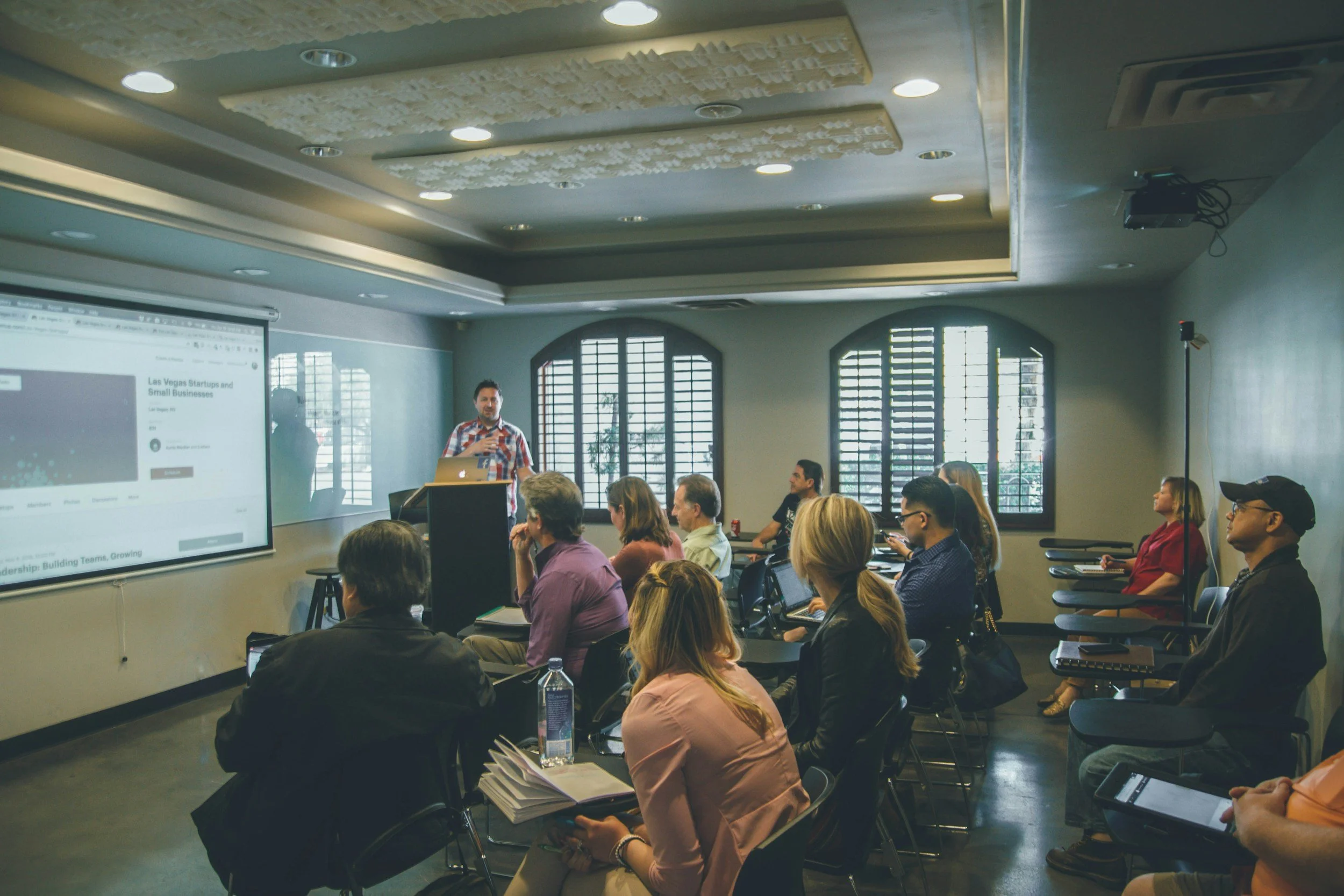
Teach the pattern, not just the warning
Most fraud training tells people to "be careful." We teach the actual mechanics scammers use, so the pattern is recognizable the moment it starts.
1
Give people a next step, not just a fear
Every learning material ends in a concrete action: who to contact, what to freeze, what to document for the exact situation someone is in.
2
Build the capacity, not just the awareness
We're not producing one-time alerts. We're building lasting know-how in families and in the professionals seniors already trust with their money and information.
3
Two audiences,
one shared responsibility.
The 'Sandwich' Generation
Family & caregivers
Adults tasked with raising their own children while also watching over aging parents who may be targeted, often without the time or training to know what to look for.
The Professionals
Advisors, banks & care staff
Financial advisors, bank staff, elder-law professionals, and care workers who regularly handle the money and personal information of seniors at risk.